How to Prepare a Bedroom for Professional Bed Bug Treatment
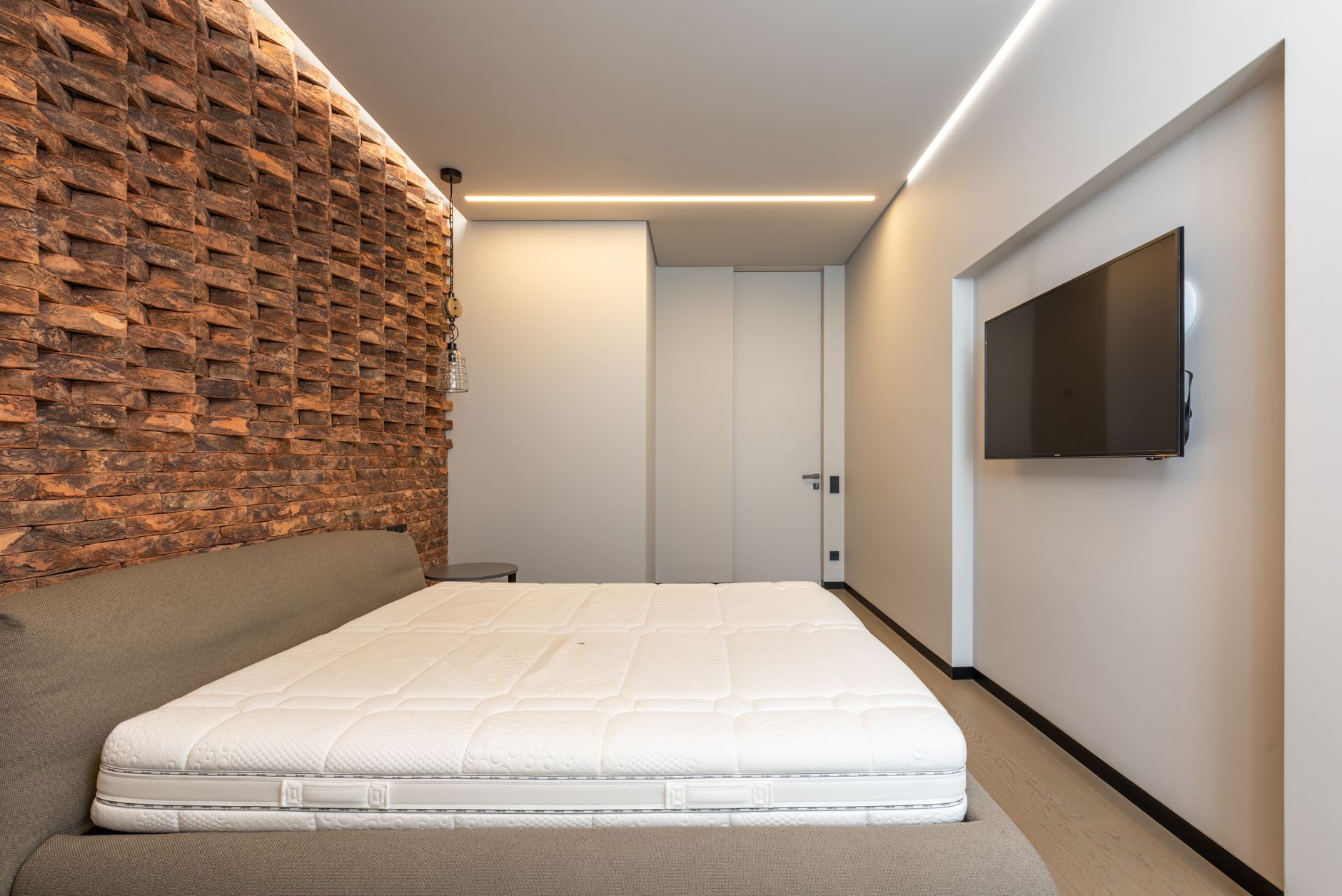
You prepare a bedroom for professional bed bug treatment by stripping the bed down to the frame, bagging all washable linens, clearing the floor and nightstands, and giving the technician unobstructed access to every seam, crack, and crevice where bed bugs hide. Do that before the crew arrives and a single treatment usually ends the infestation; skip it and you are looking at two or three return visits. This guide walks through the exact prep sequence we use on jobs across the United States, from the 24-hour countdown to what you can safely put back the same day.
Why Prep Work Decides Whether Treatment Works
Bed bug treatment is a contact killer - the heat, steam, or residual chemical has to physically reach the insect, and clutter is the single biggest reason a treatment fails. A bed bug is roughly the size of an apple seed, and a pregnant female can tuck into a 1/16-inch gap behind a baseboard or inside a bed frame joint. If a hamper of laundry is sitting against that baseboard, the product never touches her.
Professional bed bug extermination is a category of pest control service that uses heat, steam, or EPA-registered residual products to eliminate every life stage - egg, nymph, and adult - from a defined living space. It only works when the technician can see and reach the harborage points.
Prep also protects your belongings. Heat treatments push a room to 122-135°F for several hours; anything heat-sensitive (candles, vinyl records, aerosol cans, some medications) needs to come out before the equipment is switched on. On the chemical side, prep keeps you and your pets out of freshly treated zones until they are dry.
Across the country, we see the same pattern: apartments in dense urban buildings and single-family homes alike fail re-treatment because a closet was left packed or a mattress was left on the frame. The prep is not busywork. It is the treatment.
How long does it take to prepare a bedroom for bed bug treatment?
Plan on 2 to 4 hours for a standard bedroom and 6 to 8 hours if the room is cluttered or you are prepping two or three bedrooms at once. Most of that time is laundry and decluttering, not scrubbing.
We ask customers to start 24 hours before the scheduled visit. That gives you time to run comforters and sheets through a hot dryer cycle (30 minutes at 120°F+ kills all life stages), bag the items you are not washing, and clear the floor. If you are prepping the same day, focus on the bed and the perimeter - those two zones matter more than anything else in the room.
If the timeline feels tight, ask about a bed bug treatment preparation service. On those jobs our crew handles the bagging, the mattress work, and the floor clearing so you only have to handle personal items.
Step-by-Step Bedroom Prep Checklist
Work top to bottom and back to front. The order matters because you do not want to re-contaminate a clean area with items you have not inspected yet.
- Strip the bed completely. Sheets, pillowcases, comforter, mattress pad, and any bed skirt go straight into a sealed plastic bag or directly into the washing machine. Do not carry them through the house loose.
- Wash and dry on high heat. Wash at the hottest setting the fabric allows, then dry for at least 30 minutes on high. The dryer is what kills the bugs - a cold wash alone does not.
- Bag what you cannot wash. Shoes, stuffed animals, backpacks, and dry-clean-only items go into sealed bags and stay sealed until the technician clears the room.
- Clear the floor. Everything off the carpet - laundry, boxes, toys, pet beds. Bed bugs do not care what the object is; they care that it gives them a dark gap to hide in.
- Empty nightstands and dressers. Pull drawers out, bag the contents, and set the drawers aside so the technician can treat the interior joints and the back panel.
- Pull furniture 12-18 inches from the walls. Baseboards are a primary harborage. The gap lets the technician treat the wall-floor junction and the back of the furniture in one pass.
- Remove pets, people, and plants. Fish tanks get covered and their pumps unplugged. Pets go to another room or off-site for the treatment window.
- Vacuum, then bag the vacuum contents. Run a vacuum over the carpet, seams, and baseboards, then immediately seal and dispose of the bag or empty the canister into an outdoor trash bin.
Leave the room empty of people for the full treatment window - typically 4 to 6 hours for heat and 2 to 4 hours for chemical applications, depending on ventilation.
What to Do With Mattresses, Box Springs, and Bed Frames
Your mattress is where 70% of bed bugs concentrate, so it gets the most attention - and the most prep. Do not drag it out to the curb. Do not wrap it in plastic and leave it in the garage. Both moves spread bugs and waste a mattress that is usually salvageable.
Here is what we ask customers to do:
- Leave the mattress on the frame unless the technician tells you otherwise. We treat it in place so we can work the seams, the piping, and the underside in one continuous pass.
- Remove all bedding and mattress protectors. If you have a fabric protector, wash and dry it on high heat. If it is vinyl or a zip encasement, wipe it down and set it aside.
- Do not vacuum the mattress yourself. A household vacuum can pull bugs deeper into the seams and blow eggs into the air. Let the technician handle it with a HEPA unit.
- Empty the box spring if it has a fabric cover. Many older box springs have a thin dust cover on the bottom - that is a favorite harborage. We treat or remove it during the visit.
- Disassemble the bed frame only if asked. Wooden slats, metal joints, and headboard brackets all get treated. If you take the frame apart early, you risk scattering bugs into the room.
After treatment, a bed bug mattress encasement traps any survivors and stops new bugs from colonizing the mattress. We install them on most jobs and they are the cheapest long-term insurance you can buy.
Closets, Dressers, and Personal Belongings
Closets are the number-one reason we get called back for a second visit. A packed closet gives bed bugs a dark, undisturbed highway from the bedroom to the rest of the house.
Empty every closet in the treated room. Bag clothing you have not worn recently and leave it bagged for the full treatment window plus 24 hours. Clothing you wear regularly gets washed and dried on high heat, then stored in sealed bags or moved to a clean room until the technician clears the space.
For dressers and nightstands, pull every drawer, bag the contents, and set the empty drawers on the floor in the middle of the room so the technician can treat the interior joints, the drawer runners, and the back panel. Do not wipe down furniture with bleach or alcohol before we arrive - it does not kill eggs and it can push bugs deeper into the wood.
Electronics get wiped down and bagged. Books, papers, and photo albums go into sealed bins. If you are dealing with a multi-room infestation, our bed bug bedroom treatment covers the full room - bed, furniture, baseboards, and closet - in a single visit.
Common Mistakes That Cause Re-Treatments
We track why jobs fail, and the same five mistakes show up over and over. Avoid these and your odds of a one-and-done treatment go way up.
- Bug bombing the room first. Foggers scatter bed bugs into walls and adjacent rooms. They rarely kill the ones that matter and they make the professional treatment harder.
- Throwing out the mattress too early. A discarded mattress in a hallway or garage spreads the infestation. Let the technician decide whether it is salvageable - most are.
- Leaving the closet packed. If the technician cannot reach the back wall and the floor of the closet, that closet stays infested.
- Washing in cold water only. Cold water does not kill bed bugs. The dryer on high heat for 30 minutes is the step that matters.
- Re-entering the room too soon. Heat treatments need the room sealed for the full cycle. Opening a window or walking through mid-treatment drops the temperature and lets bugs survive.
One more: do not move items from the treated room into a clean bedroom "just for now." That is how a one-room problem becomes a whole-house problem. If you need to relocate during treatment, use sealed bags and keep them sealed until the follow-up inspection clears the room.
When to Call a Professional
Call a professional the moment you find a live bug, a cast skin, or the dark fecal spotting along a mattress seam - do not wait to see how bad it gets. Bed bugs double their population roughly every two weeks in a warm room, so a small problem in October is a serious one by Thanksgiving.
DIY sprays and foggers sold at hardware stores are contact killers with no residual. They knock down the bugs you can see and leave the eggs and the harborage untouched. Within 10 to 14 days you have a fresh generation and you are back to square one, minus the money you spent.
Our team at Bed Bug Rescue handles the full job: inspection, prep support, treatment, and a follow-up visit 14 days later to confirm the room is clear. We work in apartments, single-family homes, and short-term rentals, and we tailor the method - heat, steam, chemical, or a combination - to the room and the building. If you are prepping a bedroom right now and want a second opinion on what to bag and what to toss, give us a call before you start hauling things to the curb.
Frequently Asked Questions
Do I need to wash every piece of clothing before bed bug treatment?
No. Wash and dry the items you wear regularly on high heat, and bag everything else in sealed plastic for the treatment window plus 24 hours. Bagged clothing that stays sealed for two weeks is effectively treated - any bugs inside will be dead.
Can I stay in my house during bed bug treatment?
Yes, but not in the treated room. Plan to stay out of the bedroom for 4 to 6 hours after a heat treatment and 2 to 4 hours after a chemical application. Keep pets and children away from the treated area until the technician confirms it is dry and safe to re-enter.
How much does professional bed bug treatment cost in 2026?
In 2026, a single-bedroom treatment in the United States runs $300 to $900 depending on the method - heat is at the top of that range, targeted chemical and steam work at the bottom. Whole-home treatments average $1,200 to $2,500. Follow-up visits are usually included in the initial quote.
Will I have to throw out my mattress?
Usually not. A mattress with surface-level activity can be treated with steam and encasement for $75 to $200, far less than the cost of a replacement. We only recommend disposal when the mattress is torn, heavily stained, or structurally compromised - and we walk you through safe disposal if that is the call.
How soon can I sleep in the bedroom after treatment?
Most customers sleep in the room the same night after a chemical or steam treatment, once surfaces are dry. Heat treatments typically require waiting until the room cools to below 90°F, which takes 2 to 3 hours after the equipment is removed.
Get help with Bed Bug Mattress Treatment in the United States
If you are staring at a mattress seam and wondering whether it is a bed bug or a carpet beetle, we can settle it in one visit. Bed Bug Rescue provides Bed Bug Mattress Treatment across the United States - inspection, prep guidance, treatment, and a 14-day follow-up - with upfront pricing before we start.
Call (833) 815-0925 to schedule your inspection and get a written treatment plan for your bedroom.
Frequently asked questions
Do I need to wash every piece of clothing before bed bug treatment?
No. Wash and dry the items you wear regularly on high heat, and bag everything else in sealed plastic for the treatment window plus 24 hours. Bagged clothing that stays sealed for two weeks is effectively treated - any bugs inside will be dead.
Can I stay in my house during bed bug treatment?
Yes, but not in the treated room. Plan to stay out of the bedroom for 4 to 6 hours after a heat treatment and 2 to 4 hours after a chemical application. Keep pets and children away from the treated area until the technician confirms it is dry and safe to re-enter.
How much does professional bed bug treatment cost in 2026?
In 2026, a single-bedroom treatment in the United States runs $300 to $900 depending on the method - heat is at the top of that range, targeted chemical and steam work at the bottom. Whole-home treatments average $1,200 to $2,500. Follow-up visits are usually included in the initial quote.
Will I have to throw out my mattress?
Usually not. A mattress with surface-level activity can be treated with steam and encasement for $75 to $200, far less than the cost of a replacement. We only recommend disposal when the mattress is torn, heavily stained, or structurally compromised - and we walk you through safe disposal if that is the call.
How soon can I sleep in the bedroom after treatment?
Most customers sleep in the room the same night after a chemical or steam treatment, once surfaces are dry. Heat treatments typically require waiting until the room cools to below 90°F, which takes 2 to 3 hours after the equipment is removed.