Bed Bug Mattress Encasements: What They Do and Do Not Do
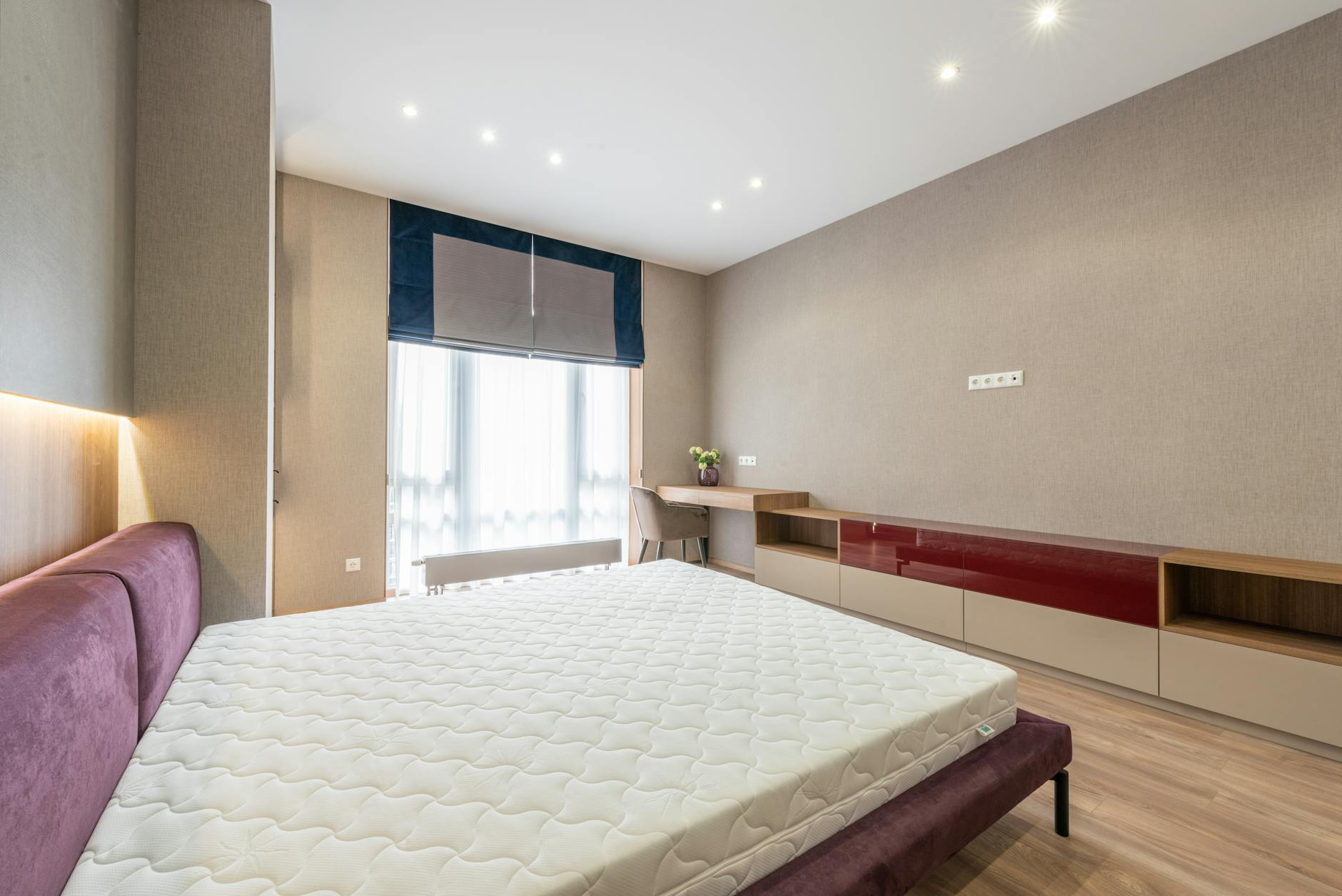
A bed bug mattress encasement traps the bed bugs already living inside your mattress and stops new ones from getting in, but it does not kill bugs hiding in your bed frame, box spring, or baseboards. If you zip a mattress into a certified encasement and leave the rest of the room alone, you will still get bitten. Encasements are one tool in a full treatment plan, not a standalone fix.
We install encasements on almost every job we run, and we have seen them work exactly as intended when they are paired with professional treatment. We have also seen them fail when homeowners treat them as the whole solution. This post covers what encasements actually do, where they fall short, and how to use them correctly in a 2026 bed bug treatment plan.
What a Bed Bug Mattress Encasement Actually Does
A bed bug mattress encasement is a zippered, bug-proof cover that seals your mattress on all six sides and traps any bed bugs already inside it. The fabric is woven tight enough that even first-instar nymphs-smaller than a grain of rice-cannot chew through or squeeze past the seams. Once zipped, the bugs inside cannot get out to feed, and bugs outside cannot get in to hide.
Here is what a properly installed encasement does:
- Traps existing bugs: Any bed bugs living in the seams, folds, or interior of your mattress are sealed inside. They eventually die-usually within 3 to 5 months-because they cannot reach you to feed.
- Blocks new bugs: Bed bugs that try to crawl onto the mattress from the frame or floor hit the encasement surface and cannot penetrate it. They stay exposed on the smooth surface, where they are easier to spot and treat.
- Protects your investment: A mattress can cost $500 to $2,500 or more. An encasement that costs $40 to $120 keeps a treated mattress from getting reinfested.
- Makes inspections easier: A white or light-colored encasement shows fecal spots, shed skins, and live bugs immediately. You can spot a problem in seconds instead of pulling the mattress off the bed.
Encasements work because bed bugs are lazy travelers. They hide within a few feet of their food source-you. If the mattress is sealed, they are forced into the frame, box spring, or nearby furniture, where a professional bed bug treatment can reach them.
What Encasements Do Not Do
An encasement does not kill bed bugs outside the mattress, and it does not replace a professional bed bug inspection of the rest of the room. This is the single most common misunderstanding we run into. Homeowners zip a mattress, see no bugs for a week, and assume the problem is solved-then the bites come back.
Here is what an encasement will not do:
- It will not treat your bed frame, headboard, or box spring. Those are prime hiding spots. We routinely find 60% to 80% of a room's bed bugs in the frame and box spring, not the mattress itself.
- It will not kill bugs in the carpet, baseboards, or outlets. Bed bugs travel up to 20 feet from a bed to find a hiding spot. Encasing the mattress does nothing to the bugs already living in those areas.
- It will not stop bugs from climbing onto you. If bed bugs are in the frame, they can crawl up the side of the encasement and onto your arm while you sleep. The encasement blocks the mattress, not your body.
- It will not work if it is torn or improperly zipped. A 1/16-inch gap at the zipper is enough for a hungry bed bug to slip through. We see this on cheap covers with weak zippers.
Think of an encasement as a seal on one part of the problem. The rest of the room still needs treatment.
How Encasements Fit Into a Full Bed Bug Treatment Plan
Encasements are the final step in a professional bed bug removal from mattress protocol, not the first. Here is the order we follow on a typical job:
- Inspection and assessment: We inspect the mattress, box spring, frame, headboard, and surrounding furniture to map the infestation. This tells us whether the mattress is salvageable or should be replaced.
- Treatment: We treat the room with heat, steam, or targeted chemical application. Heat treatment brings the room to 122°F to 135°F and holds it there for at least 90 minutes-enough to kill all life stages, including eggs.
- Mattress treatment or disposal: If the mattress is heavily infested, we may recommend disposal. If it is salvageable, we treat it directly and then encase it.
- Encasement installation: We install a certified encasement on the mattress and, when needed, the box spring. This locks in any survivors and prevents reinfestation.
- Follow-up inspection: We return in 10 to 14 days to confirm the treatment worked. Encasements make this inspection faster because we can see activity on the surface.
For apartments and multi-unit buildings, encasements are especially important. Bed bugs travel through wall voids and shared plumbing chases. A sealed mattress keeps your unit from becoming a source for the next unit. We handle bed bug treatment for apartments across the United States, and encasements are standard on every job.
Choosing the Right Encasement
Not all encasements are equal. A $15 cover from a discount site will not stop a bed bug. Look for these features:
- Certification: Choose an encasement tested and certified by an independent lab (e.g., entomology departments at universities). The label should say it is bed bug-proof.
- Zipper quality: The zipper must have a small, tight teeth pattern and a locking tab that covers the zipper pull. If you can see daylight through the zipper when closed, it is not good enough.
- Material: Look for a tight weave (polyester or cotton-poly blend) with a waterproof backing. Avoid vinyl-it tears easily and traps heat.
- Size: The encasement must fit your mattress snugly. A loose cover creates folds where bed bugs can hide. Measure your mattress depth before ordering.
Expect to pay $40 to $120 for a quality queen-size encasement in 2026. That is a small price compared to replacing a mattress. We often recommend specific brands to our customers, and we can install the encasement for you during treatment.
Common Mistakes with Mattress Encasements
We see the same mistakes over and over. Avoid these and your encasement will do its job:
- Encasing a mattress without treating the rest of the room. This is the big one. The bugs in the frame will find you.
- Taking the encasement off too soon. Bed bugs inside a sealed mattress can survive 3 to 5 months without feeding. If you remove the cover after a month, you release live bugs back into the room.
- Using a torn or unzipped encasement. Even a small tear gives bed bugs an escape route. Inspect the cover monthly and replace it if damaged.
- Putting a new mattress on an untreated frame. If you buy a new mattress but keep the old frame, the bugs will move right in. Treat or replace the frame first.
- Forgetting the box spring. Box springs are a favorite hiding spot. If yours is infested, encase it or replace it.
One more mistake: buying a cheap cover and expecting it to work. We have seen covers with zippers that gap open after a week. Spend the extra $30 and get a certified product.
When to Call a Professional
If you see live bed bugs, find fecal spots on your sheets, or wake up with new bites for more than two nights in a row, call a professional. Encasements alone will not clear an infestation. You need a full treatment that addresses the mattress, frame, and room.
We handle every step: inspection, treatment, encasement, and follow-up. Our team uses heat and targeted treatments that kill bed bugs at all life stages, and we install certified encasements to keep them from coming back. If you are dealing with bed bugs in a single room or a whole house, we can help. We also offer bed bug heat treatment for severe infestations-it is the fastest way to kill every bug in a room, including eggs.
Frequently Asked Questions
Do mattress encasements really work for bed bugs?
Yes, but only as part of a complete treatment plan. A certified encasement traps bed bugs inside the mattress and blocks new ones from entering. It does not kill bugs in the frame, box spring, or carpet. Use it after professional treatment to prevent reinfestation.
How long do bed bugs live in an encased mattress?
Bed bugs sealed inside an encasement die within 3 to 5 months because they cannot feed. Leave the encasement on for at least 6 months to be safe. After that, the mattress is protected as long as the cover stays intact.
Can I put an encasement on a mattress that already has bed bugs?
Yes. That is exactly what encasements are designed for. Zip the cover over the infested mattress and leave it on. The bugs inside will die. Just make sure you also treat the rest of the room to kill bugs outside the mattress.
Will an encasement stop bed bugs from biting me?
No. Encasements stop bed bugs from living in your mattress, but they do not stop bugs in the frame or nearby furniture from crawling onto you at night. You need to eliminate those bugs with professional treatment.
How much does a bed bug mattress encasement cost?
A quality certified encasement costs $40 to $120 for a queen-size mattress in 2026. Professional installation during a treatment job typically adds little to no extra cost. Cheap covers under $20 often fail within weeks.
Get Help with Bed Bug Mattress Treatment in the United States
Bed bugs do not go away on their own, and an encasement alone will not solve the problem. If you are ready to get rid of bed bugs for good, call Bed Bug Rescue at (833) 815-0925. We will inspect your home, treat the infestation, and install a certified encasement to protect your mattress.
We serve homeowners and renters across the United States with fast, discreet service. One call and we will schedule your inspection.
Frequently asked questions
Do mattress encasements really work for bed bugs?
Yes, but only as part of a complete treatment plan. A certified encasement traps bed bugs inside the mattress and blocks new ones from entering. It does not kill bugs in the frame, box spring, or carpet. Use it after professional treatment to prevent reinfestation.
How long do bed bugs live in an encased mattress?
Bed bugs sealed inside an encasement die within 3 to 5 months because they cannot feed. Leave the encasement on for at least 6 months to be safe. After that, the mattress is protected as long as the cover stays intact.
Can I put an encasement on a mattress that already has bed bugs?
Yes. That is exactly what encasements are designed for. Zip the cover over the infested mattress and leave it on. The bugs inside will die. Just make sure you also treat the rest of the room to kill bugs outside the mattress.
Will an encasement stop bed bugs from biting me?
No. Encasements stop bed bugs from living in your mattress, but they do not stop bugs in the frame or nearby furniture from crawling onto you at night. You need to eliminate those bugs with professional treatment.
How much does a bed bug mattress encasement cost?
A quality certified encasement costs $40 to $120 for a queen-size mattress in 2026. Professional installation during a treatment job typically adds little to no extra cost. Cheap covers under $20 often fail within weeks.